Exploring the Depths of Anna Akhmatova: A Journey Through Russian Poetry and Feminine Expression
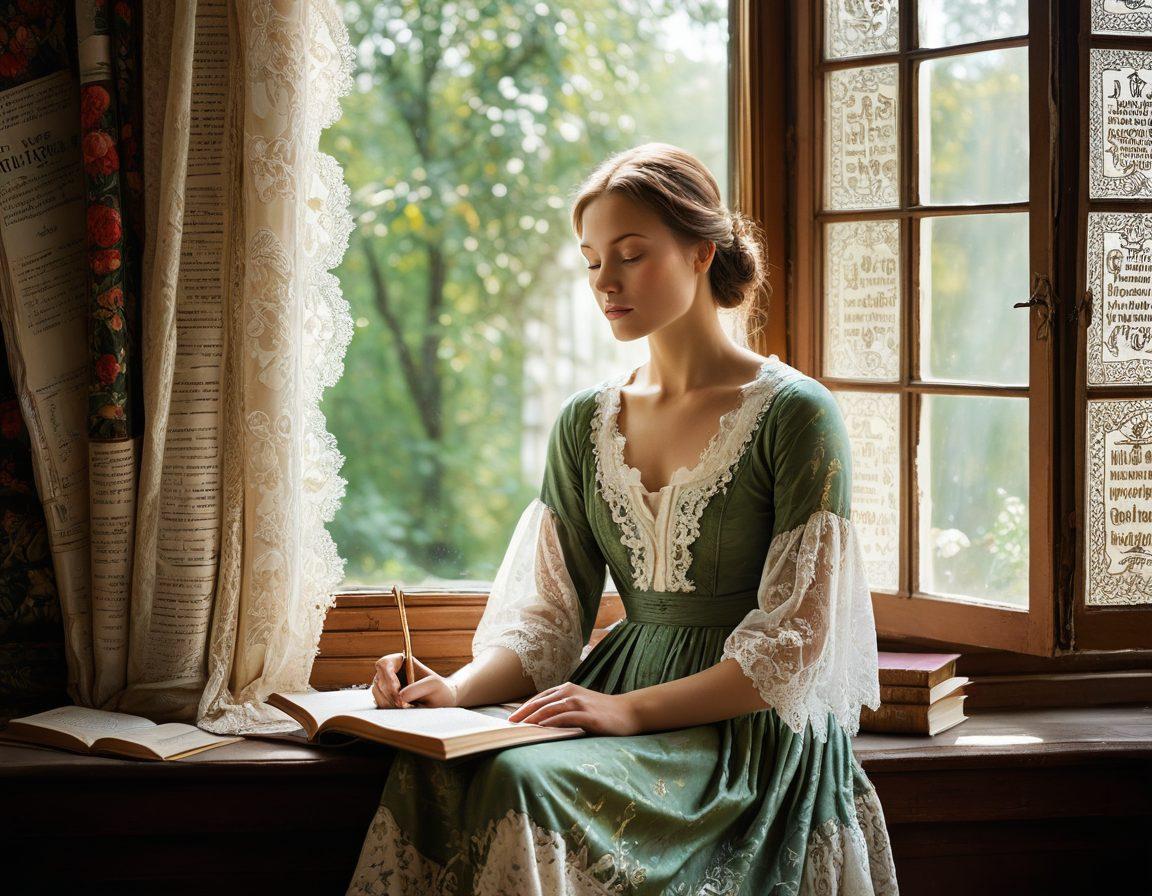
Imagine standing in a sunlit room, filled with the smell of freshly brewed tea, as you leaf through the delicate pages of a poetry collection that has endured the test of time—this is the world of Anna Akhmatova. Akhmatova, one of Russia's most celebrated poetesses, did not merely write poetry; she wielded her pen like a brush, painting vivid emotions and profound truths about the human experience. In exploring the depths of her literary landscape, we unveil the unique voice that resonates through her work, offering insights into both the turbulent history of Russia and the delicate nuances of feminine expression in the art of poetry. What made her voice so unique, and how does it echo through the corridors of modern literature?
Anna Akhmatova emerged as a beacon of hope during the oppressive reign of Soviet literature, where artistic expression often felt like walking a tightrope. Born in 1889, her poetry reflects the pain and beauty of a tumultuous era, and with every line, she offers a glimpse into her soul. In her poignant verses, we can feel her struggles, loves, and losses, all intricately woven into the fabric of her work. As literary critics and poetry analysts have pointed out, Akhmatova's ability to explore deeply personal themes while connecting to broader cultural experiences is what sets her apart from many of her contemporaries. Would it be fair to say that her words can still inspire us today?
Akhmatova’s writing techniques are a tapestry of tradition intermixed with innovation; she masterfully blends ancient forms of Russian poetry with her own contemporary style. For instance, her use of imagery is striking—rivers, ghosts, and lovers dance through her stanzas, each symbol resonating with the weight of history and personal emotion. Consider her famous line, "I would like to be like the sun," which captures the longing for warmth and acceptance that adorns much of her work. In a world where female poets struggled for recognition, Akhmatova's voice rang clear, leaving an indelible mark on the history of poetry. How did she manage to carve a place for herself in this traditionally male-dominated literary culture?
Akhmatova's legacy endures not just within the pages of her poetry, but also through the lens of those who analyze and critique her work. When we consider 20th century literature, Akhmatova stands as a poignant testament to the power of the female perspective—her poetry serves as both a journal of personal reflection and a broader cultural commentary on societal upheavals. Her ability to navigate complex emotions and political realities reflects a deep understanding of the human condition, making her a timeless figure in literary history. What can we learn from her ability to intertwine personal narratives with universal truths?
In the spirit of creative writing, engaging with Akhmatova’s poetry invites us to tap into our own artistic expression. Whether you're a budding poet or a seasoned writer, allowing the emotions she conveys to permeate your work can undoubtedly enrich your craft. Write with vulnerability, embrace your unique voice, and don’t shy away from exploring profound themes—the essence of her work encourages us to do just that. So, the next time you sit down to pen your thoughts, ask yourself: how can you reflect your own soul onto the page, much like Akhmatova did? Her journey through the realms of Russian poetry continues to be an inspiration for artists and writers alike, reminding us that our voices also deserve to be heard.
From the Shadows of the Soviet Era: Akhmatova's Impact on Modern Russian Literature
In the realm of Russian poetry, few names shine as brightly as Anna Akhmatova. Born in the turbulent times of the late 19th century, her voice would rise resiliently from the shadows cast by the Soviet regime. Readers today might ask: how did this remarkable poetess manage to weave personal anguish and collective suffering into verses that resonate with the struggles of modern literature? Akhmatova's impact is not merely a relic of the past; it is a living, breathing force that continues to inspire contemporary writers and shape the landscape of literary culture.
To understand Akhmatova's profound influence on modern Russian literature, we must first explore the sociopolitical context in which she wrote. 20th century literature was undeniably shaped by the oppressive nature of Soviet rule. Akhmatova's work stood as an act of defiance against censorship and state control, blending themes of love, loss, and identity with a poignant critique of societal norms. Her poetry analysis reveals a rich tapestry of emotions, often drawing from her own experiences as a woman navigating a patriarchal society. As she once eloquently stated, 'In the midst of winter, I found there was, within me, an invincible summer.' How's that for turning personal pain into universal truth?
Akhmatova's writing techniques deserve special mention, for they reflect her mastery of poetic form. Her use of compact language, powerful imagery, and rhythmic cadence allows her verses to transcend time, making them accessible yet layered with meaning. She knew how to hone in on precise emotions and convey them with authenticity—a skill all aspiring female poets would do well to study. Through her creative writing, we see how Akhmatova's artistic expression not only challenged the conventions of her time but also paved the way for future generations of women in literature. Does her journey inspire you to explore your own written expression?
Delving into Akhmatova's legacy is akin to peeling back the layers of a rich historical narrative. As a literary critic, I find myself frequently drawn to her undeterred spirit and relentless pursuit of truth. In the face of adversity, she portrayed the lives of ordinary women with unparalleled sensitivity, navigating the delicate balance between vulnerability and strength. Her influence can be seen in contemporary female poets who draw from their personal histories, echoing Akhmatova's courage to speak out. Do you think that Akhmatova’s words resonate with today’s struggles? Perhaps the answer lies in the timeless nature of her art.
In conclusion, engaging with Akhmatova’s works opens a doorway to understanding not just her life but the very fabric of Russian poetry and literature. Her ability to articulate the complexities of human emotions in a constrained environment shows that poetry is not merely an art form but a means of survival. As we reflect on her legacy and the shadows of the Soviet era, we are reminded of the importance of artistic expression in advocating for truth and justice. So, how will you carry the torch of poetic resilience in your own writing? Let's honor Akhmatova by continuing to share our stories, pushing boundaries, and allowing literature to illuminate the darkest corners of our world.
Feminine Perspectives in Poetry: Analyzing Akhmatova's Artistic Expression and Techniques
In the sweeping landscape of Russian poetry, Anna Akhmatova stands as a beacon of feminine expression, illuminating the struggles and triumphs of women in a world often dominated by male voices. Imagine standing before a canvas of emotions, each poetic verse infused with the essence of despair, love, and resilience. Akhmatova's work invites us to explore not just the beauty of her words but the profound commentary they provide on the feminine experience in 19th and 20th century literature. For anyone immersed in a literary blog or engaging with poetry analysis, understanding Akhmatova’s artistic expression is a gateway to appreciating the nuanced layers of Russian history and cultural commentary. Can one woman’s voice echo so powerfully across generations? Yes, and it starts with her unique perspective as a poetess navigating the tides of Soviet literature.
Through the lens of Akhmatova’s craft, we can discern the intricate writing techniques she employs to convey her messages—from her careful choice of poetic form to her masterful use of imagery and metaphor. Her poems pulse with an energy that resonates deeply, inviting readers to dance along the delicate line between personal sorrow and collective memory. In examining her work, we ask: How does one transform pain into art? Akhmatova’s poetry becomes her protest, a form of creative writing that articulates truths that many may fear to voice. This is her unique power as a female poet in a male-dominated literary culture, challenging us to reflect on our own experiences and carefully consider our narratives.
Akhmatova's voice is not only a reflection of her personal struggles but also a representation of the trials faced by women in her time and beyond. Her poem
for example, encapsulates the heart-wrenching experience of loss and longing in a society that demands silence from its women. The raw emotion captured in her verses compels us to confront difficult questions: What does it mean to be a woman in the throes of artistic expression? How do societal expectations shape our creative outputs? Through her lens, we are prompted to consider the role of female poets in modern literature, shaping discourse and influencing future generations of writers seeking to find their own voice.
A notable aspect of Akhmatova's writing is her ability to weave personal narrative with broader societal issues, a technique that continues to inspire current poets and authors. Her legacy in literature paves the way for exploring dialogues around gender and expression in the literary world, making her relevant even today. Female poets are increasingly taking center stage, drawing from the groundwork laid by pioneers like Akhmatova. As we analyze the essence of her work, we uncover a myriad of themes, connecting her struggles with contemporary issues women still face—what a testament to the enduring power of artistic expression! Isn’t it fascinating how one poet’s voice can create ripples across time and culture?
Akhmatova's mastery lies not just in what is said but also in how it is said; her works speak to both the intricacies of the human experience and the universal themes that bind us all. Each stanza resonates like a heartbeat, challenging us to delve into our own emotions and stories. If there’s anything to take away from Akhmatova’s oeuvre, it’s the idea that poetry serves as a vessel for truth and authenticity, a reflection of the times yet timeless in its appeal. Engaging with Akhmatova’s life and work is more than mere literary criticism—it is an invitation to understand the depth of feminine perspectives in poetry and to celebrate the rich tapestry of voices that have shaped our world, both in the past and present. So, the next time you encounter her work, ask yourself: How do these poems speak to you? What do they reveal about the intricate relationship between poetry and the female experience?